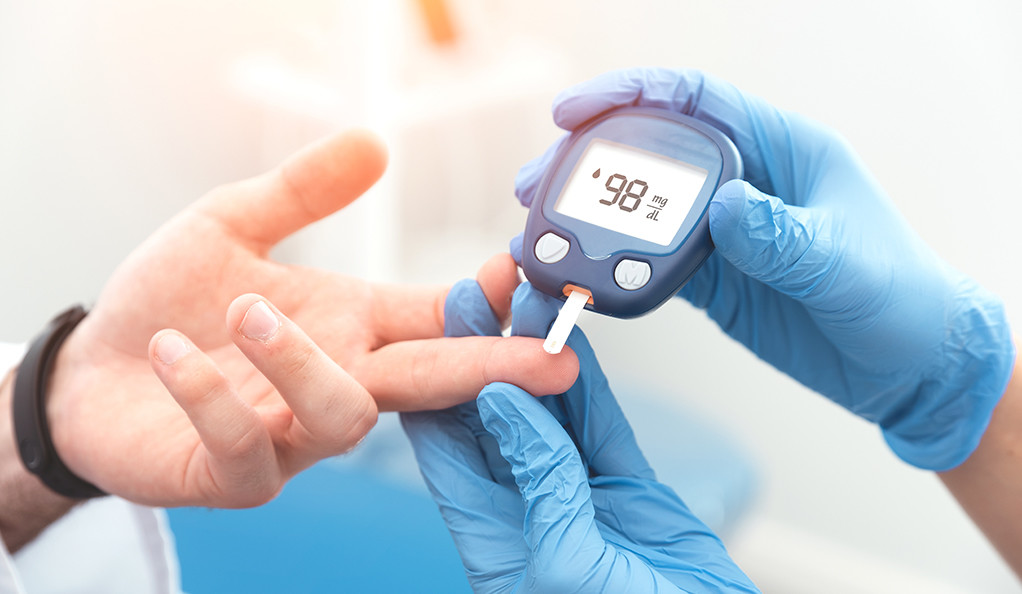
Type I Diabetes
Type I Diabetes is an autoimmune condition in which the body’s immune system mistakenly attacks and destroys the insulin-producing beta cells in the pancreas, leading to a lack of insulin which is essential for regulating blood sugar levels.
- Typically develops in children between ages 4 and 14
- Symptoms: excessive thirst, frequent urination, extreme hunger, fatigue, blurred vision
- Risk factors: family history, genetics, certain viruses that trigger autoimmune destruction
- Type 1 is not caused by diet or lifestyle factors
- Treatment: insulin, monitoring blood sugar, eating healthy, regular exercise
- There is no cure for diabetes but with proper management, those with the condition can live long, healthy lives
Type 1 diabetes in children – Symptoms and causes
Type II Diabetes
Type II Diabetes is a chronic disease that affects the way the body processes sugar (glucose) for fuel. Without treatment, it can cause sugar to build up in the bloodstream, putting the individual at risk of further health concerns.
- Type 2 was considered “adult diabetes,” but has become increasingly prevalent among children
- Symptoms: increased thirst, frequent urination, increased hunger, frequent infections, fatigue, blurry vision, darkened skin in areas such as the neck, armpit, and groin
- Risk factors: lack of movement, unhealthy diet
- Treatment: healthy eating, regular physical activity, insulin, weight loss surgery, blood sugar monitoring
Type 2 diabetes in children – Symptoms and causes
Childhood Obesity
Childhood obesity is a condition that involves having excess body fat in early life, putting the child at risk for diabetes and high blood pressure. Childhood obesity is complex, and not every child who appears overweight qualifies for this condition.
- Can lead to poor self-esteem and depression
- 1 in 5 children, ages 2-19, in the United States are obese
- Causes: genetics, hormonal imbalances, stress, sleep disturbance, eating habits, physical activity
- Risk factors: poor eating habits, lack of movement, mental health issues, and certain medications
- Treatment (similar to Diabetes treatment): healthy eating, regular physical activity, weight loss surgery, weight loss medication
Childhood obesity – Symptoms and causes

Asthma
Asthma is a chronic and inflammatory respiratory disease that affects the airway.
- Symptoms: shortness of breath, wheezing, chest tightness, and coughing are symptoms of asthma episodes and attacks (National Heart, Lung, and Blood Institute, 2023).
- This condition may limit a child’s ability to attend school regularly and participation in sport or other types of physical activities. The presence of asthma in adolescence may facilitate anxiety associated with symptom management and peer perception.

Childhood Cancer
- E.g. Leukemia, Neuroblastoma
- The National Cancer Institute has reported that cancer is the leading cause of death by disease in children (National Cancer Institute, 2013).
- Distress from pediatric cancer is common as treatment varies in length, duration, and impact, possibly prolonging hospitalizations.
- Inherently a family disease, pediatric cancer affects all aspects of a child’s life, disrupting family systems and imposing significant financial strain for a patient and their support system (Kazak & Noll, 2015).
Other Chronic Diseases
- Cystic Fibrosis (CF) is genetic disorder affecting multiple body systems including the lungs and digestive system (Mayo Clinic, 2024). CF can lead to chronic infections, malnutrition, and even symptoms of depression and anxiety (Sawicki & Tidden, 2012). Frequent and long hospitalizations for CF can be disruptive to adolescents schooling, peer relationships, and family life.
- Sickle Cell Disease (SCD) is a blood disorder where blood cells are sickle-shaped due to a gene mutation, resulting in a long-term impact on an adolescent’s health (National Heart, Lung, and Blood Institute, 2024). Patients often undergo episodes of pain relative to blocked blood flow, requiring medical attention. The Journal of Haematology writes that children with SCD may face negative psychological impact due to pain and stigma endured (e.g., social withdrawal, anxiety, depression, aggression, poor school performance) (Anie ,2020).
 Social Work Roles and Resources